Enterprise IT Security: How Does It Protect Modern Business Operations?

Enterprise cybersecurity is essential because businesses rely heavily on digital systems, cloud services, connected devices, and remote work environments. Without proper protection, organizations face risks such as data breaches, ransomware attacks, operational disruptions, and financial losses.
In simple terms, it refers to the policies, technologies, and processes used to safeguard an organization's networks, applications, devices, and sensitive information from cyber threats.
Businesses that invest in strong security measures can reduce risks, maintain compliance, and protect customer trust.
What Is Enterprise IT Security?
Enterprise IT security is a comprehensive approach to protecting an organization's technology infrastructure.
It covers multiple areas, including:
Network security
Endpoint protection
Identity management
Cloud security
Data protection
Threat monitoring
Incident response
The goal is to create multiple layers of defense that prevent unauthorized access and minimize the impact of cyberattacks.
What Threats Do Businesses Face Today?

Cyber threats continue to evolve in sophistication and frequency.
Common risks include:
Malware Attacks
Malicious software can infect systems and disrupt business operations.
Phishing Campaigns
Cybercriminals use deceptive emails and messages to steal sensitive information.
Ransomware
Attackers encrypt business data and demand payment for its release.
Insider Threats
Employees or contractors may intentionally or unintentionally expose sensitive information.
Unauthorized Access
Weak passwords and poor access controls can create vulnerabilities within business systems.
Understanding these threats helps organizations build stronger defense strategies.
What Are the Core Components of Enterprise Security?
Network Protection
Firewalls, intrusion prevention systems, and secure network architectures help defend against external threats.
Identity and Access Management
Organizations control who can access systems and information through authentication and authorization policies.
Data Security
Encryption and backup solutions protect valuable business information from loss or theft.
Endpoint Security
Computers, smartphones, and connected devices require protection against malware and unauthorized access.
Security Monitoring
Continuous monitoring helps identify suspicious activity before it becomes a major incident.
Together, these components create a comprehensive security framework.
How Does Surveillance Support Enterprise Security?

Physical security plays an important role in protecting business assets.
Many organizations use wifi security cameras to monitor facilities, offices, warehouses, and restricted areas. These systems provide real-time visibility and help security teams investigate incidents quickly.
Benefits include:
Remote monitoring
Improved incident response
Evidence collection
Asset protection
Workplace safety enhancement
When integrated with cybersecurity systems, surveillance solutions contribute to a stronger overall security strategy.
Why Is Employee Awareness Important?
Technology alone cannot eliminate every risk.
Employees are often the first line of defense against cyber threats.
Organizations should provide regular training on:
Password security
Phishing awareness
Data handling practices
Remote work security
Device protection
Well-informed employees can identify threats early and help prevent security incidents.
How Does Enterprise Security Support Compliance?
Many industries must comply with regulations governing data privacy and security.
Examples include:
Financial regulations
Healthcare compliance standards
Data protection laws
Industry-specific security frameworks
Strong security practices help organizations:
Protect customer information
Reduce legal risks
Maintain operational integrity
Demonstrate regulatory compliance
Compliance and security often work together to strengthen overall risk management.
How Is Artificial Intelligence Changing Enterprise Security?
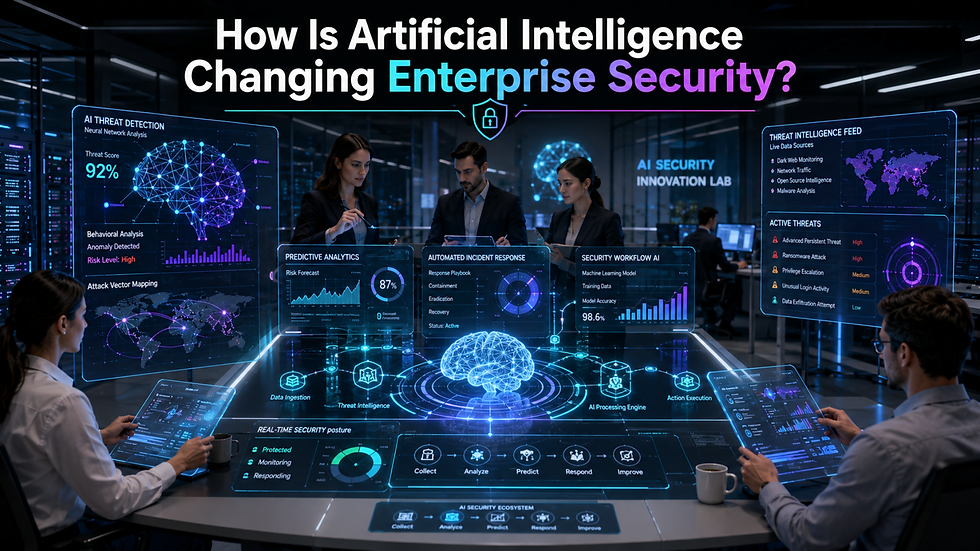
Artificial intelligence is transforming cybersecurity by improving threat detection and response capabilities.
Modern security platforms use machine learning to:
Analyze large volumes of data
Detect unusual behavior
Identify emerging threats
Automate security responses
Improve investigation efficiency
One growing application is AI intrusion detection, which continuously monitors network activity and identifies suspicious patterns that may indicate cyberattacks.
These systems help security teams respond faster and reduce the likelihood of successful breaches.
What Are Best Practices for Strengthening Security?
Organizations can improve security by following several key practices:
1. Use Multi-Factor Authentication
Additional verification layers help prevent unauthorized access.
2. Update Systems Regularly
Security patches address vulnerabilities before attackers exploit them.
3. Implement Strong Access Controls
Employees should only access resources necessary for their roles.
4. Monitor Network Activity
Continuous visibility improves threat detection capabilities.
5. Develop Incident Response Plans
Prepared organizations recover more quickly from security incidents.
6. Conduct Security Audits
Regular assessments help identify weaknesses and improvement opportunities.
Following these practices helps organizations build a resilient security posture.
How Will Enterprise Security Evolve in the Future?
Future enterprise security strategies will increasingly focus on:
AI-powered threat detection
Zero-trust security models
Cloud-native protection
Automated response systems
Advanced behavioral analytics
Integrated cyber-physical security
As cyber threats become more sophisticated, businesses must continuously adapt their security approaches to remain protected.
The future will prioritize proactive defense rather than reactive responses.
You can also watch: Stop Just Recording: AI-Powered Face Recognition with VideoraIQ
Summary
Modern businesses depend on strong cybersecurity strategies to protect digital assets, maintain compliance, and ensure operational continuity. Effective enterprise IT security combines network protection, employee awareness, surveillance technologies, data security, and AI-powered threat detection to create a comprehensive defense framework. Organizations that proactively strengthen their security posture are better equipped to manage evolving cyber risks and support long-term business success.
Frequently Asked Questions
What is enterprise IT security?
Enterprise IT security is the practice of protecting business networks, systems, applications, devices, and data from cyber threats and unauthorized access.
Why is enterprise security important?
It helps prevent data breaches, financial losses, operational disruptions, and reputational damage.
How do AI-powered security systems help?
AI systems analyze activity patterns, detect threats faster, and automate security responses to improve protection.
What are the biggest cybersecurity risks for businesses?
Common risks include ransomware, phishing attacks, malware infections, insider threats, and unauthorized access.


Comments